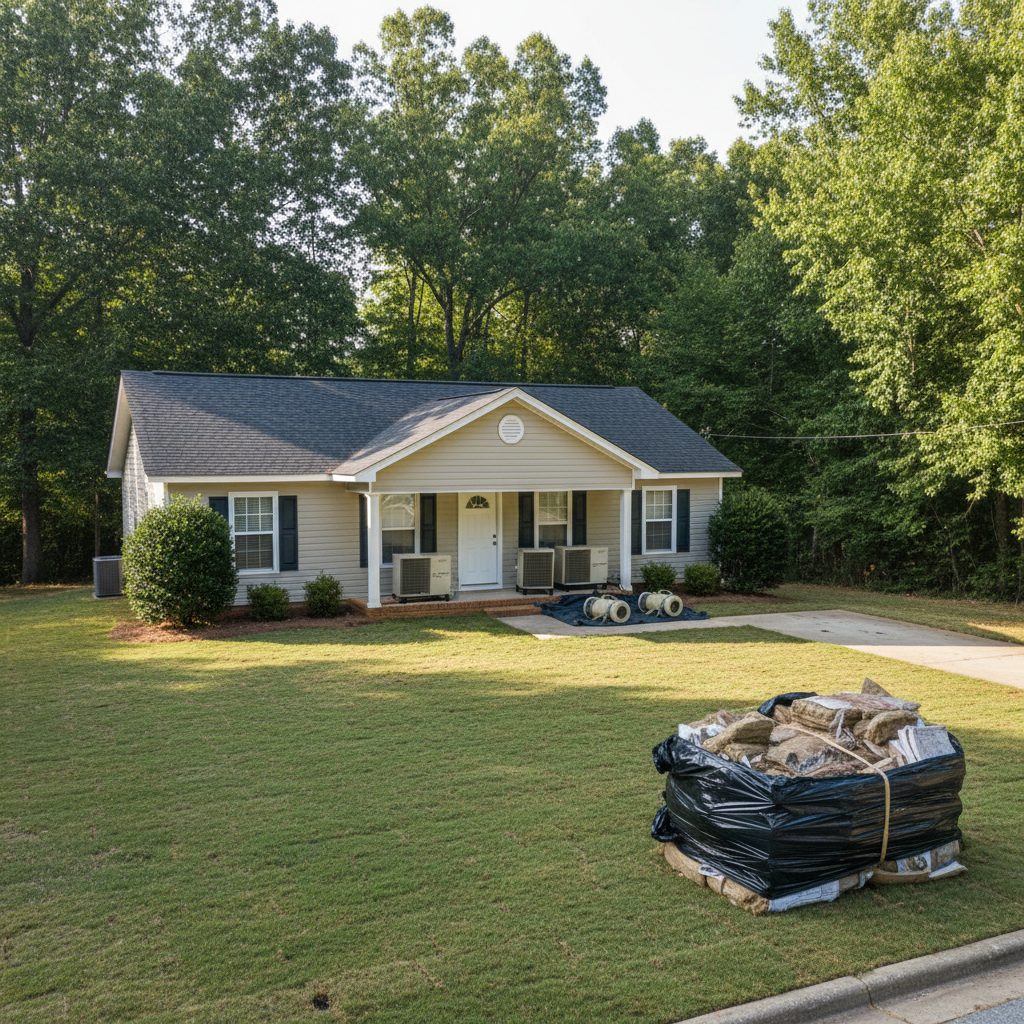
Dealing with water damage in your home is never fun. It's stressful, messy, and can feel overwhelming. But with a solid plan, you can get through it without losing your mind or your shirt. As a contractor who's seen it all here in Montgomery, I can tell you that preparation is key. Let's talk about what that looks like.
Understanding the Timeline of Water Damage Remediation
You're probably wondering how long this whole thing is going to take. The truth is, it varies a lot depending on the extent of the damage, but I can give you a general idea. The first 24-48 hours are critical for stopping the source and starting the drying process. That's when we're extracting water and setting up industrial-strength dehumidifiers and air movers. This initial drying phase can take anywhere from three to seven days, sometimes longer if it's a really saturated area or if you've got a lot of humidity, which we certainly get our fair share of here in Alabama.
Once things are dry, we move into the assessment and demolition phase. This is where we figure out what needs to be removed – wet drywall, flooring, insulation, whatever's beyond saving. This usually takes a few days. After that, we're talking about reconstruction, which is where things can really vary. A small patch job might be a week; a whole room rebuild could be several weeks or even a couple of months. Don't let anyone tell you it's a quick fix if it's substantial damage. Good work takes time.
What to Expect During the Process
When we show up, we're not just there to dry things out; we're there to manage the whole process. Here's what you can generally expect:
- Initial Assessment & Water Extraction: We'll find the source of the water, stop it, and then get rid of as much standing water as possible. We've got powerful pumps and vacuums for this.
- Drying & Dehumidification: This is the noisy part. We'll set up all our equipment – air movers, dehumidifiers, air scrubbers. It's going to be loud, and the temperature might fluctuate a bit. We'll monitor moisture levels constantly.
- Demolition & Removal: Anything that's too damaged or can't be properly dried will come out. This might mean pulling up carpet, cutting out drywall, or removing baseboards. We'll contain the work area to prevent spreading dust and debris.
- Cleaning & Sanitizing: We'll clean and sanitize affected areas to prevent mold growth and remove any contaminants. This is super important, especially if it was dirty water.
- Reconstruction: Once everything's dry and clean, we start putting your home back together. This is where new drywall goes up, flooring is replaced, and painting happens.
We'll keep you in the loop every step of the way. You shouldn't feel like you're in the dark.
How to Prepare Your Home for Remediation
Before the crew even steps foot in your house, there are a few things you can do to make the process smoother:
- Secure Valuables: If the damaged area is accessible, move any irreplaceable items, important documents, or small valuables to a safe, dry place.
- Clear Pathways: Make sure there's a clear path for our equipment. We'll be bringing in big machines, and we don't want to trip over anything.
- Take Photos: Document everything. Take pictures or videos of the damage before any work starts. This is crucial for your insurance claim.
- Understand Your Insurance: Know your deductible and what your policy covers. Give your insurance company a heads-up that you're starting remediation.
- Plan for Disruption: It's going to be disruptive. You might need to make arrangements for pets or even temporary housing if the damage is extensive, especially if we're dealing with a large area like a whole first floor in one of those older Cloverdale homes.
Key Questions to Ask Before Signing a Contract
Don't just sign on the dotted line with the first company that shows up. You've got to protect yourself. Here are some non-negotiable questions:
- Are you licensed and insured for water damage remediation in Alabama? This is a big one. Don't work with anyone who isn't.
- Can you provide references from recent jobs? A reputable company won't hesitate to give you names.
- What's your estimated timeline for each phase of the project? Get a clear breakdown.
- How will you handle communication throughout the project? Will you get daily updates? Weekly? Who's my main point of contact?
- What's included in the estimate, and what's not? Make sure there are no hidden fees. Ask about things like debris removal.
- What's your protocol for preventing mold growth? They should have a clear plan.
- How do you handle working with my insurance company? A good company, like Neighborly Restoration, will help you navigate the claims process.
- What happens if you find additional damage once work starts? Get a clear understanding of the change order process.
Taking the time to ask these questions upfront can save you a lot of headaches and money down the road. Water damage is tough, but with a good plan and the right team, you'll get your home back to normal. We're here to help when you need us.