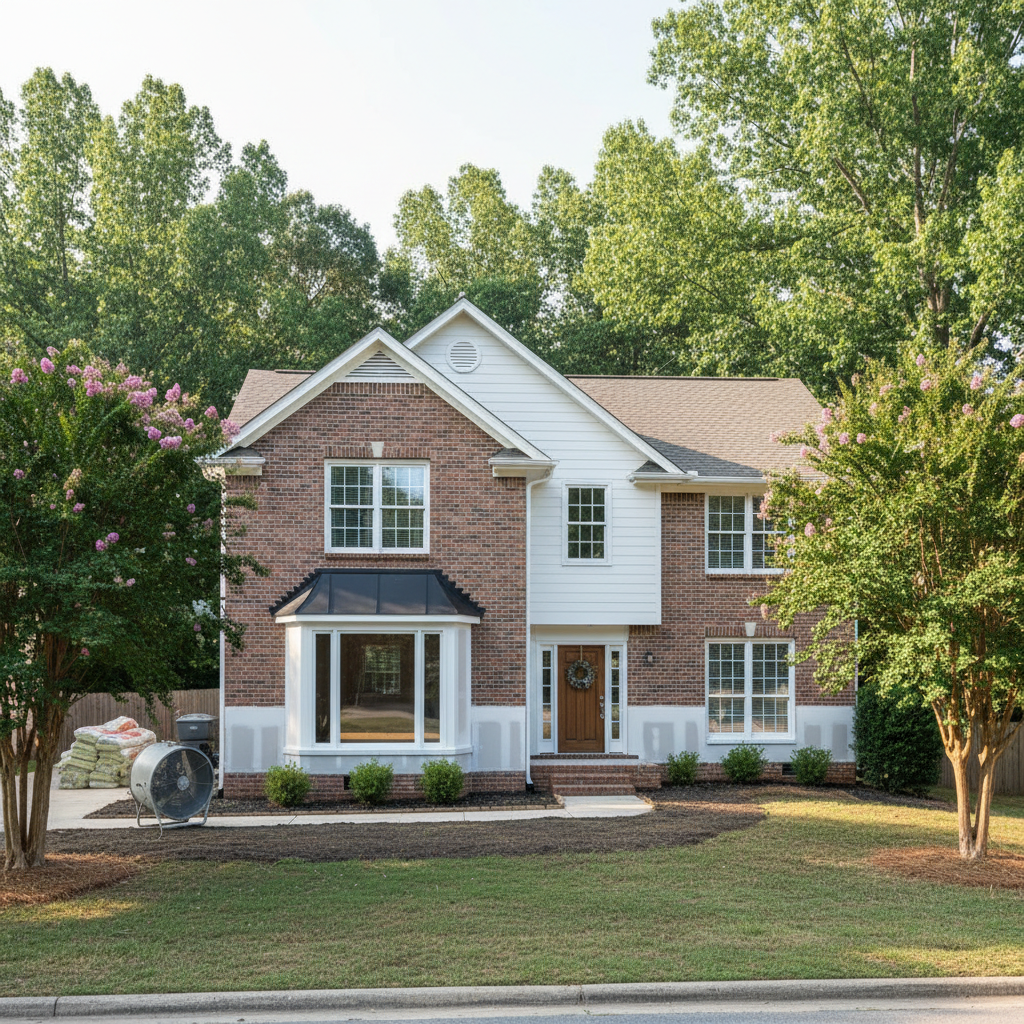
Your house just got hit with water damage. Maybe a pipe burst, maybe the AC drain backed up, or perhaps that crazy summer storm we had last year pushed water under your door. Whatever the cause, you're stressed, and you need help fast. But how do you pick someone reliable when you're already under so much pressure?
I've seen a lot of folks in Montgomery make bad choices simply because they didn't know what to look for. Hiring the wrong crew can turn a bad situation into a total nightmare, believe me. So, let's talk about how to find a good, honest water damage restoration contractor.
Questions to Ask Every Contractor
When you've got water in your home, you're not just hiring someone to suck up water. You're hiring someone to dry out your home properly, prevent mold, and get your life back to normal. Don't be afraid to ask tough questions. Any good contractor expects it, really.
- Are you IICRC certified? This is huge. The Institute of Inspection, Cleaning and Restoration Certification (IICRC) sets the industry standards for water damage. If they're not certified, they might not know the proper drying techniques, which can lead to mold down the road.
- How quickly can you get here? Water damage is an emergency. You need someone who can respond fast, usually within a few hours. Ask about their typical response time.
- What's your process for drying out my home? They should be able to explain it clearly. It usually involves water extraction, setting up dehumidifiers and air movers, and monitoring moisture levels. If they just say, "We'll dry it out," that's not enough detail.
- Do you handle the entire process, including repairs, or just the drying? Some companies just do the initial dry-out. Others, like us at Neighborly Restoration, can handle the whole thing, from drying to rebuilding. Knowing this upfront helps you plan.
- How do you handle insurance claims? A good contractor will work with your insurance company, helping you understand the process and providing all necessary documentation. They shouldn't tell you to sign over your entire claim to them, though.
- Can you provide references? Past customers are the best judges. Ask for a couple of recent ones you can call.
What to Look for in a Quote
Getting a quote isn't just about the bottom line. It's about understanding what you're paying for. A good quote should be detailed, not just a single number.
- Itemized breakdown: It should list everything they plan to do. How many air movers? How many dehumidifiers? What kind of antimicrobial treatments? How many hours for labor? This transparency helps you compare apples to apples.
- Clear scope of work: What exactly is included? Is it just drying, or does it include demolition of damaged materials? Does it cover mold prevention?
- Timeline: While emergencies are unpredictable, they should give you a realistic idea of how long the drying process will take.
- No pressure tactics: A reputable contractor won't demand you sign on the spot or try to scare you into making a quick decision.
- Look for fair pricing, not just the cheapest: The cheapest bid often means cutting corners. You don't want that when it comes to drying out your home and preventing mold.
Red Flags to Watch Out For
This is where a lot of Montgomery homeowners get burned. There are plenty of storm chasers and shady operators out there, especially after a big weather event. Be smart.
- Demanding cash upfront or full payment before work starts: A small deposit might be okay, but never pay in full before they've done anything.
- High-pressure sales tactics: "Sign now or the price goes up!" or "We're the only ones who can help you!" Run.
- No local presence or P.O. Box address: If they don't have a physical office or a real local phone number, they might be here today, gone tomorrow. Especially after a big storm, you'll see out-of-state trucks flooding the area. Be wary.
- Unsolicited door-to-door sales: If someone shows up at your door saying they noticed water damage and can fix it right away, be extremely cautious.
- Refusing to provide a written estimate or contract: Everything should be in writing. No handshake deals when your home is at stake.
- Vague answers to your questions: If they can't explain their process or certifications clearly, they probably don't know what they're doing.
- Pushing you to make an insurance claim immediately without assessment: A good contractor will assess the damage first and then advise on the best course of action, including whether to file a claim.
How to Verify Legitimacy
Before you let anyone start tearing into your home, do your homework. It takes a few minutes but can save you thousands and a lot of headaches.
- Check for IICRC certification: You can often verify this on the IICRC website.
- Verify their business license: In Alabama, contractors need to be licensed. You can check with the Alabama Department of Finance, Division of Construction Management.
- Look them up on the Better Business Bureau (BBB): See their rating and read customer reviews.
- Read online reviews: Google, Yelp, Facebook – see what other local folks are saying. Don't just look at the stars; read the comments.
- Ask for proof of insurance: They should have general liability insurance and workers' compensation. If they don't, you could be liable if someone gets hurt on your property.
- Call their references: Actually pick up the phone and talk to people they've worked for. Ask about their experience, professionalism, and if they'd hire them again.
Dealing with water damage is tough enough. Don't let the cleanup process add to your stress. By asking the right questions, spotting red flags, and doing a little verification, you'll find a reputable Montgomery contractor who can get your home dried out and back to normal the right way. It's your home, you've got to protect it.