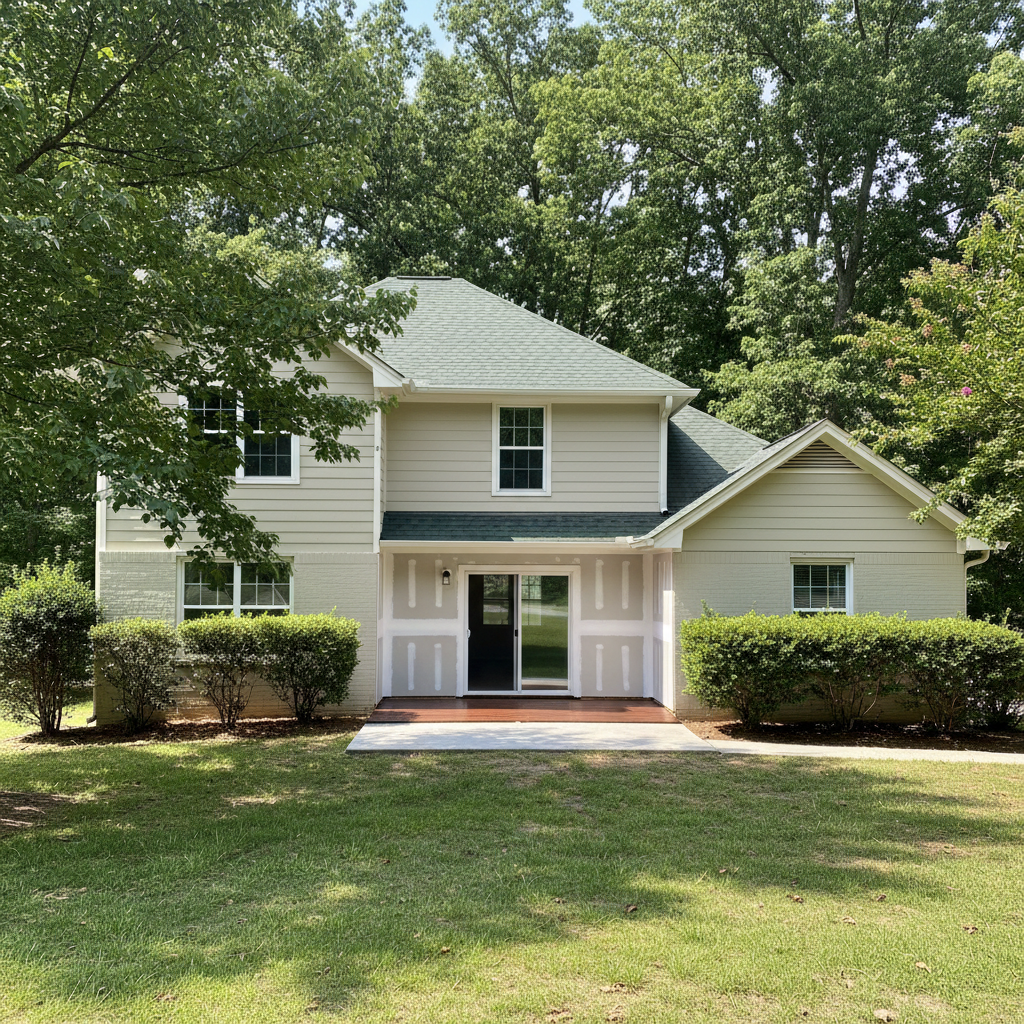
When's the best time to deal with water damage? That's a question I hear a lot, and honestly, there's never a "good" time for a pipe to burst or a roof to leak. But if you know Montgomery's climate, you can definitely be smarter about preventing problems and getting repairs done. We've got some pretty distinct seasons around here, and each one throws its own curveballs at your home's structure.
Summer: Humidity, Storms, and Hidden Mold Risks
Our summers in Montgomery are just brutal, plain and simple. The heat and humidity aren't just uncomfortable for us; they're a huge factor in how water damage plays out. When you get a leak in July or August, that moisture doesn't just sit there. It soaks into everything, and with all that humidity in the air, things dry out much slower on their own. That's a perfect recipe for mold growth, and it can start spreading faster than you'd imagine—sometimes in just 24 to 48 hours. I've seen it happen in homes all over, from the historic Cloverdale area to the newer developments out east.
Those afternoon thunderstorms we get are another big summer headache. They can dump a crazy amount of rain in a short time, overflowing gutters, causing flash floods, and pushing water into foundations or through leaky roofs. If your house has any weak spots, summer is when they'll really show themselves. If you're dealing with water damage during this season, don't wait. The longer you put it off, the worse the secondary damage, especially mold, will become. Scheduling restoration work in summer often means we're racing against the clock and the humidity, so acting fast is absolutely key.
Fall: A Brief Reprieve, But Don't Get Complacent
Fall in Montgomery usually brings drier, cooler weather, which can feel like a real break. This is actually a pretty good time for preventative maintenance. If you had any small leaks or issues over the summer that you put off, now's the time to get them fixed before winter truly sets in. The lower humidity makes drying out materials a little easier if you do have a problem, and the weather's generally more predictable for exterior jobs like roof repairs or gutter cleaning.
Still, we can get some pretty heavy rain events in the fall, especially if a tropical system decides to track inland. So, while it's a calmer season, it's not the time to forget about your home's defenses. It's a smart idea to inspect your roof, clear out those gutters, and make sure your downspouts are sending water well away from your foundation. A little proactive work in the fall can save you a lot of headaches and expense down the road.
Winter: Freezing Pipes and Heavy Rains
Winter brings its own unique set of water damage problems. While we don't get long, deep freezes like folks up north, those sudden cold snaps can be devastating. I've seen countless burst pipes when temperatures drop unexpectedly, especially in older homes or those with poorly insulated exterior walls. Water lines in crawl spaces or attics are particularly vulnerable. A burst pipe can dump hundreds of gallons of water into your home in a very short amount of time, causing massive damage. Imagine that!
We also get some pretty steady, soaking rains in winter. This kind of rain can expose issues with your foundation drainage, window seals, or flashing around chimneys and vents. If water is pooling around your foundation or seeping into your basement or crawl space, winter's when you'll likely notice it. Getting these issues addressed promptly is crucial. Trying to dry out a water-damaged area when it's cold and damp outside is a real challenge, and it often requires more specialized equipment to prevent mold and further structural issues.
Spring: The Wettest Season and Pollen Problems
Spring is beautiful here, but it's also often our wettest season. We get a lot of rain, sometimes heavy downpours, sometimes just a constant drizzle. This prolonged moisture can really test your home's defenses. It's a prime time for roof leaks to pop up, especially if shingles were damaged by winter storms or if flashing is failing. The ground can become saturated, putting pressure on foundation walls and potentially leading to basement or crawl space flooding.
Another thing about spring in Montgomery is the pollen. It's everywhere. While it doesn't directly cause water damage, it can clog gutters and downspouts like crazy, leading to overflows that direct water right against your foundation or into your eaves. So, when you're doing your spring cleaning, don't forget those gutters. A quick clean-out can prevent a much bigger water problem later on.
Protecting Your Investment Year-Round with Neighborly Restoration
So, what's the main takeaway? Water damage doesn't care what season it is, but the season definitely impacts how quickly and severely it affects your home. Being aware of our local climate patterns is your best defense.
- Summer: Act fast on any leaks to prevent mold from growing rapidly. Keep an eye on gutters before and after those pop-up storms.
- Fall: Use this calmer period for preventative checks and repairs. Seal up any minor issues you find.
- Winter: Insulate exposed pipes, especially before a freeze. Check for foundation leaks during heavy rains.
- Spring: Clear gutters of pollen and debris. Inspect your roof after winter's abuse.
Ultimately, protecting your home means being proactive and knowing when to call in the pros. If you do find yourself dealing with water damage, no matter the season, Neighborly Restoration is here to help. We understand Montgomery's climate and how it affects your home, and we're ready to get things dried out and put back together right.