Alright, let's talk about water damage cleanup. When water gets where it shouldn't – maybe from a busted pipe, a leaky roof, or one of those surprise summer downpours we get around here – you've basically got two main ways to get things dry again. It's either a "dry-in-place" job or a "tear-out and replace" situation. Both have their moments, but figuring out which one is right for your Montgomery home could save you a ton of grief and money.
Dry-in-Place: The Less Invasive Option
Dry-in-place, just like the name suggests, means we bring in the serious drying gear – industrial dehumidifiers, air movers, air scrubbers – and try to dry out the wet stuff without ripping it all out. Think of it as a less invasive procedure for your house. We're talking about drying out wet drywall, insulation, subflooring, and even some kinds of cabinetry right where they are.
Cost: Generally, this is the cheaper way to go at first. You're paying for equipment rental, monitoring, and the folks who set up and manage the drying process, not for demolition and rebuilding. It can really keep some cash in your pocket if it's a good option.
Durability: This part gets a little tricky. If we do it right, and if the materials aren't too far gone, they can dry out perfectly fine and keep their strength. But if things stay soaked for too long, or if the water was contaminated, you're looking at a real risk of mold growing or materials warping and falling apart over time. That's a durability hit nobody wants.
Maintenance: Once it's dry, maintenance is pretty much business as usual. The trick is making absolutely sure it's completely dry. Any moisture left behind is a ticking time bomb for mold, which means more maintenance down the road, or even worse, another cleanup.
Appearance: For the most part, if we dry it successfully, things should look normal. You might see some slight staining on drywall or wood, or a little warping if the material was truly saturated. Sometimes, you'd never even know it was wet.
Tear-Out and Replace: The Fresh Start
This approach is exactly what it sounds like. We pull out all the wet, damaged materials – drywall, insulation, flooring, baseboards, sometimes even the framing – and put in new, dry stuff. It's a more aggressive method, yes, but it often leads to a much more certain path for a healthy home.
Cost: This almost always costs more upfront. You're paying for demolition labor, getting rid of the debris, new materials, and then the labor to install all those new things. It's basically a small renovation.
Durability: When you tear out and replace, you're basically hitting the reset button on those materials. You're putting in new, undamaged components, which means you get full durability from day one, assuming the installation goes well. No lingering worries about hidden damage or mold behind the walls.
Maintenance: New materials mean a new lease on life. You're not dealing with compromised stuff, so your regular home maintenance routine should be all you need. No special checks for hidden mold or structural weaknesses from the water incident.
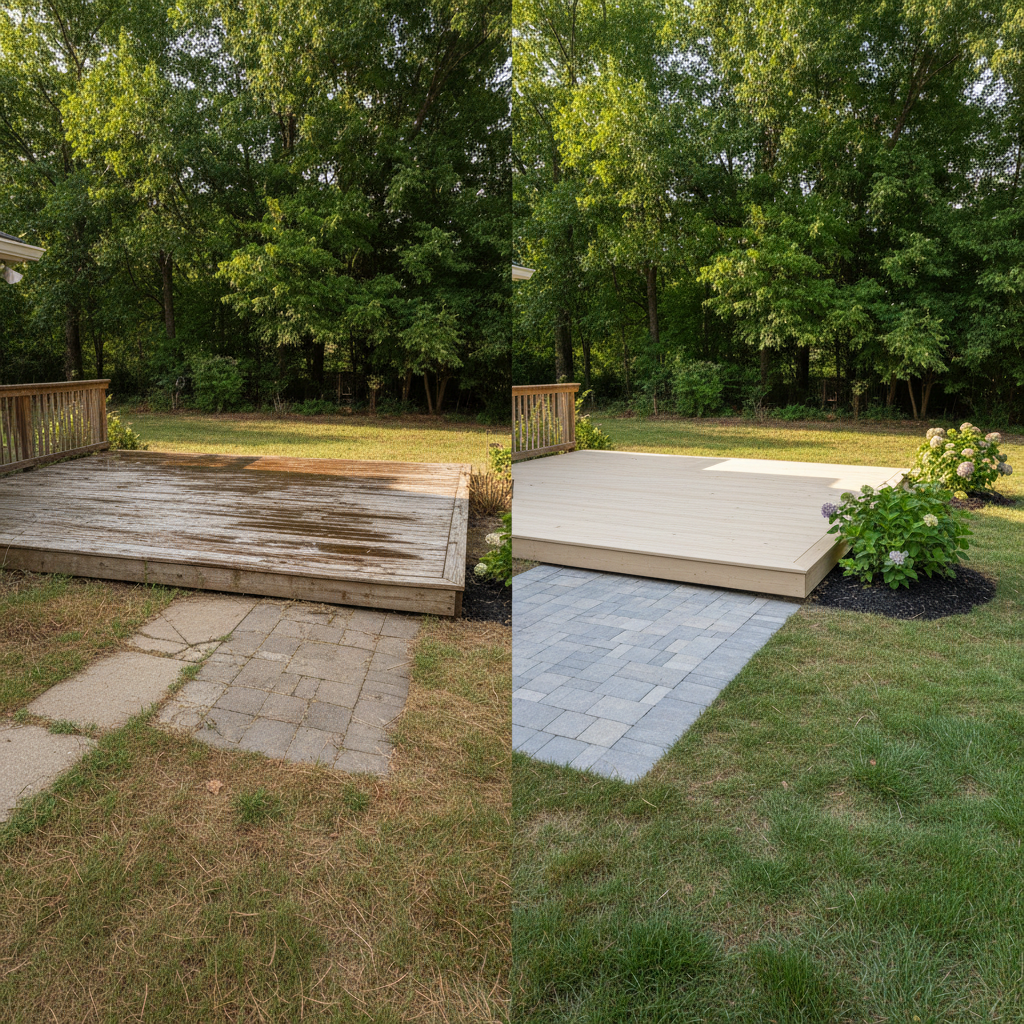
Appearance: This is where tear-out really shines. With new materials, your home looks fresh and restored. No water stains, no warped boards, no lingering signs of the disaster. It's a clean slate.
My Recommendation for Montgomery Homes
Here's the honest truth: for most water damage situations in Montgomery, especially if the water has been sitting for more than 24-48 hours, or if it came from a "dirty" source like a sewage backup or a big flood, I'm almost always going to lean towards tear-out and replace. Why?
- Humidity and Mold: We live in a high-humidity environment, don't we? It's just a fact of life here in Alabama. That means mold absolutely loves it here. Even with the best drying equipment, getting everything bone dry quickly, especially hidden behind walls or under floors, is a huge job. Leave even a tiny bit of moisture, and mold will find it, I guarantee it. I've seen this play out too many times in homes all over, from Old Cloverdale to East Montgomery.
- Hidden Damage: You might dry the surface, but what about the wood framing underneath? Or the insulation that's now compressed and lost its R-value? With tear-out, you get to see everything, fix any problems, and make sure your home's structure is sound.
- Peace of Mind: For me, and for most homeowners I work with, the peace of mind that comes from knowing all the damaged material is gone and replaced with new, clean stuff is worth the extra cost. You really don't want to be wondering if mold is growing behind your walls six months down the line.
Now, don't get me wrong. For very minor, clean water spills that you deal with right away, dry-in-place can absolutely work. A small, contained leak from a clean water source, caught within hours, might be a candidate. But those are pretty rare. Most of the time, by the time Neighborly Restoration gets the call, the water's had plenty of time to really soak in.
Ultimately, the decision depends on the specific situation: where the water came from, how long it's been there, and what kinds of materials got wet. But if you want a lasting, healthy solution for your home in our climate, a thorough tear-out and replacement often gives you the best results and helps you avoid bigger problems later on. Seriously, don't cut corners when it comes to water damage; it'll always cost you more in the long run.